

Buying Used Golf Clubs: 7 Smart Tips Before You Buy
Many golfers reach a point where the choice is not between “good” and “bad” clubs, but between paying full retail and getting strong performance for far less. That is where used golf clubs make sense. For beginners, casual players, and anyone watching the budget, buying used golf clubs can unlock better brands, better forgiveness, and a fuller bag without the sting of buying new. The key is knowing what to inspect, where to buy, and when a deal is genuinely good value.
Why Buying Used Golf Clubs Makes Sense
The biggest reason to buy used golf clubs is simple: strong on-course performance at a fraction of the cost. A club that has already taken the first hit of depreciation can still play beautifully, especially if it is a last year’s model from a premium brand. That matters for beginners who want forgiveness, casual golfers who play a few rounds a month, and budget-conscious buyers building a practical bag. The savings are best when condition is clean and the club fits the player well.
Buying Used Golf Clubs vs Buying New
Buying new gives you the latest finish, full warranty coverage, and the confidence of unmarked gear. Buying used golf clubs, though, often delivers nearly the same performance for most golfers because club technology changes slowly. A driver or iron from a few seasons ago can still launch well and offer plenty of forgiveness. New makes more sense for players who need custom specs, want a fresh warranty, or are chasing very specific performance gains. For many others, second-hand clubs are the smarter spend.
| Choice | Best For | Main Trade-Off |
|---|---|---|
| Buying new | Custom fit seekers, warranty-focused buyers | Higher cost |
| Buying used | Value hunters, beginners, casual golfers | More inspection needed |
What to Look for Before You Buy
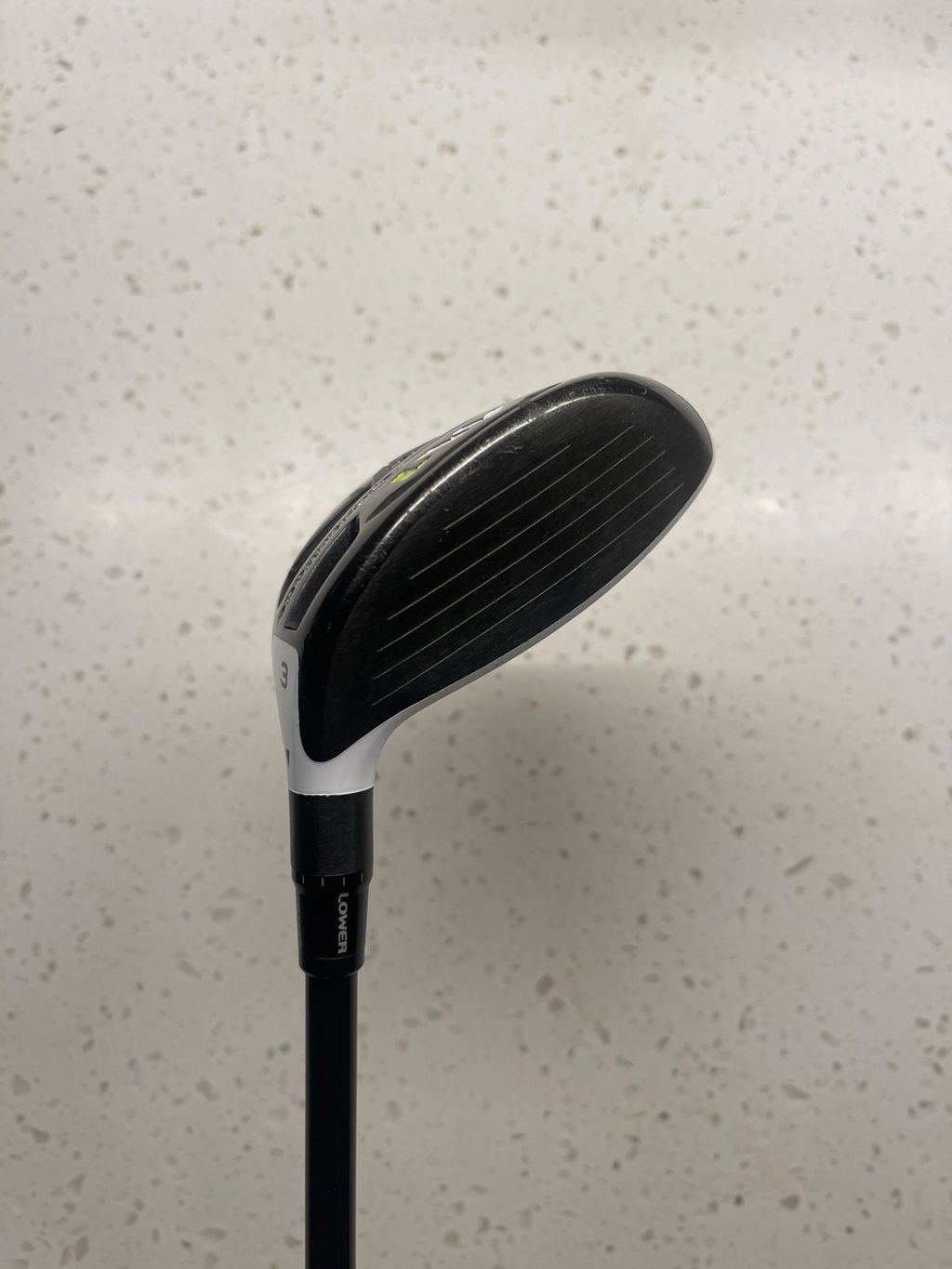
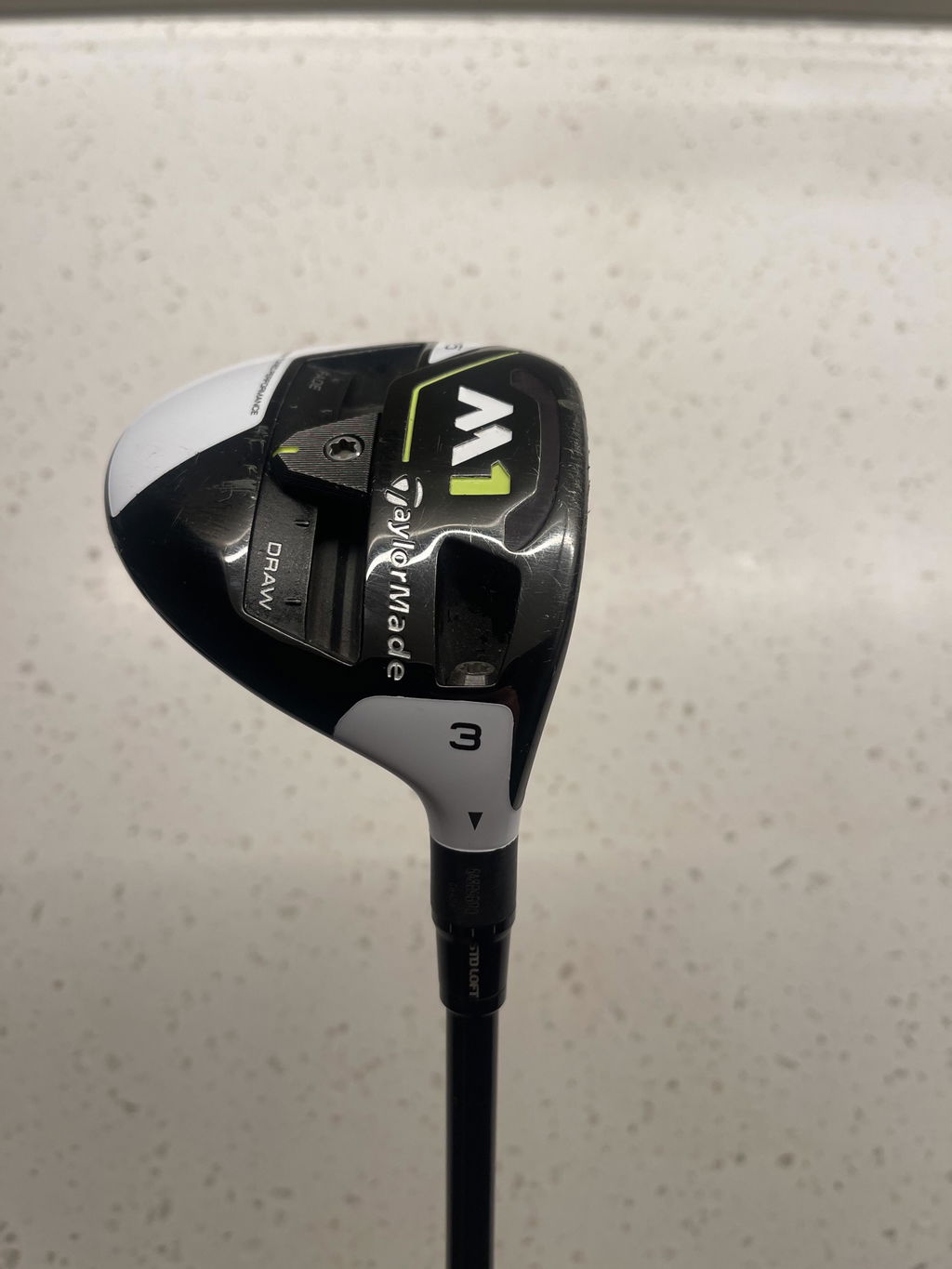
Inspection starts with the clubhead. Look for dings, rust, cracks, and cosmetic damage that may hide harder use. Small paint chips are usually fine; structural damage is not. Next, check the shaft for bends, dents, or stress marks, especially near the hosel and lower section where impact damage can show up. Grips matter too, because worn rubber can turn a bargain into extra expense. Ask for clear photos, honest condition notes, and proof the club is authentic. If the listing feels vague, keep moving.
Groove Wear, Faces, and Wedges
Groove wear matters most on wedges and other scoring clubs. That is where spin, bite, and predictability around the greens really count. A wedge can look tidy from a distance but still have worn grooves that reduce control on chips and pitch shots. Deep face wear, shiny hitting areas, and softened grooves are warning signs. Heavy use is a bigger issue here than with many drivers or fairway woods, so a cheap price on a wedge is not always a good deal.
How Much Do Used Golf Clubs Cost?
Used clubs usually sell for a meaningful percentage below retail, often enough to make premium gear accessible. Drivers and fairway woods tend to hold value well if the model is popular, while irons and full sets can offer larger overall savings. Wedges often look inexpensive, but condition matters more because groove wear affects playability. Putters can vary widely depending on brand and rarity. Age, upgrades, and resale value all influence the asking price. A club is a smart buy when the discount matches its real condition, not just its label.
| Club Type | Typical Value Pattern | What Drives Price |
|---|---|---|
| Drivers | Moderate savings | Brand, face tech, condition |
| Irons | Good savings | Set makeup, shaft, wear |
| Wedges | Lower value if worn | Groove wear, face condition |
| Putters | Varies widely | Model demand, originality |
| Full sets | Strong savings | Completeness, matching specs |
Where to Buy Used Golf Clubs
Reputable pro shops, specialist retailers, and online golf stores are usually the safest places to start because they often provide grading, product details, and return policies. That reduces risk compared with peer-to-peer listings. Facebook Marketplace can uncover bargains, but it also demands more caution since photos may be limited and seller knowledge uneven. The best listings show actual photos, honest grading, and enough detail to judge condition. Trusted sources matter most when buying used golf clubs online, where you cannot inspect the club in person first.
How to Match Used Clubs to Your Game
Fit still matters with second-hand clubs. Shaft flex, length, and lie angle should suit the swing, not just the price tag. A beginner may benefit more from a forgiving set makeup than from chasing a single high-end club. For example, a practical set of hybrids and easier-to-hit irons can be more useful than a bag full of difficult long irons. Small fixes, such as a regrip or minor loft check, can improve feel and control. Even used clubs deserve a basic fitting approach.
Pros and Cons of Second-Hand Clubs
The upside is hard to ignore: lower prices, wider choice, and access to premium models that might otherwise stay out of reach. Second-hand clubs can also hold decent resale value if they are maintained properly. The downside is less certainty. Wear can be hidden, warranties are limited, and some clubs may need grip replacement or other repairs. For a golfer with a tight budget and moderate risk tolerance, buying used golf clubs is often a very sensible path. For someone wanting zero hassle, buying new may feel safer.
Smart Buying Checklist
Before paying, confirm condition, authenticity, shaft health, grip wear, and return options. Check for clear photos, honest descriptions, and any sign of cracks, bends, or heavy groove wear. If buying in person, compare the club with official images and ask questions about use history. If buying online, make sure the seller or store offers enough protection if the item arrives differently from the listing.
Is Buying Used Golf Clubs Worth It?
For most golfers, yes. Buying used golf clubs can deliver real savings without giving up much performance, especially when the seller is trusted and the club has been inspected carefully. Focus on fit, condition, and fair pricing, and the value often speaks for itself. That is why buying used golf clubs remains one of the smartest ways to improve a bag on budget.