Mint Condition Used Golf Clubs in Australia: Buyer Guide
Browsing used golf clubs online in Australia usually starts with a simple question: is that listing really as clean as it looks? Between clearance pages, ex-demo stock, and marketplace ads, the best buys often sit in the overlap between price and condition. Shoppers comparing pre-owned golf clubs want real photos, sensible grading, and enough detail to separate genuine great condition gear from overhyped listings. This guide keeps the focus on inventory, value, and fast decisions, so it’s easier to spot mint condition clubs that are ready for the fairways.
How to Find Mint Condition Used Golf Clubs
Mint condition means more than a tidy headline. In used golf clubs listings, it usually points to minimal wear, clean presentation, and very light use, whether the club is worn, demo, or pre-owned. The smartest way to compare is by looking at photos, grading, and seller notes side by side, then weighing price against what is actually included. For Australian shoppers, the best result is often a club that looks close to new, ships quickly, and arrives ready to play without extra surprises.
What “mint condition” should look like
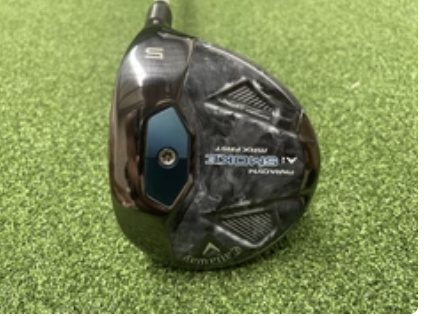
A true mint condition club should show only faint face wear, sharp grooves, and grips or shafts that still look near-new. Light bag chatter on the sole can be fine, but scratches across the crown or heavy marks near the hosel are a warning sign. Phrases like “great condition” are useful, yet they still need visual confirmation. Careful storage, limited use, and original headcovers often show up in the photos, especially on pre-owned golf clubs that have been treated more like spare equipment than daily gamers.
Read listings the smart way
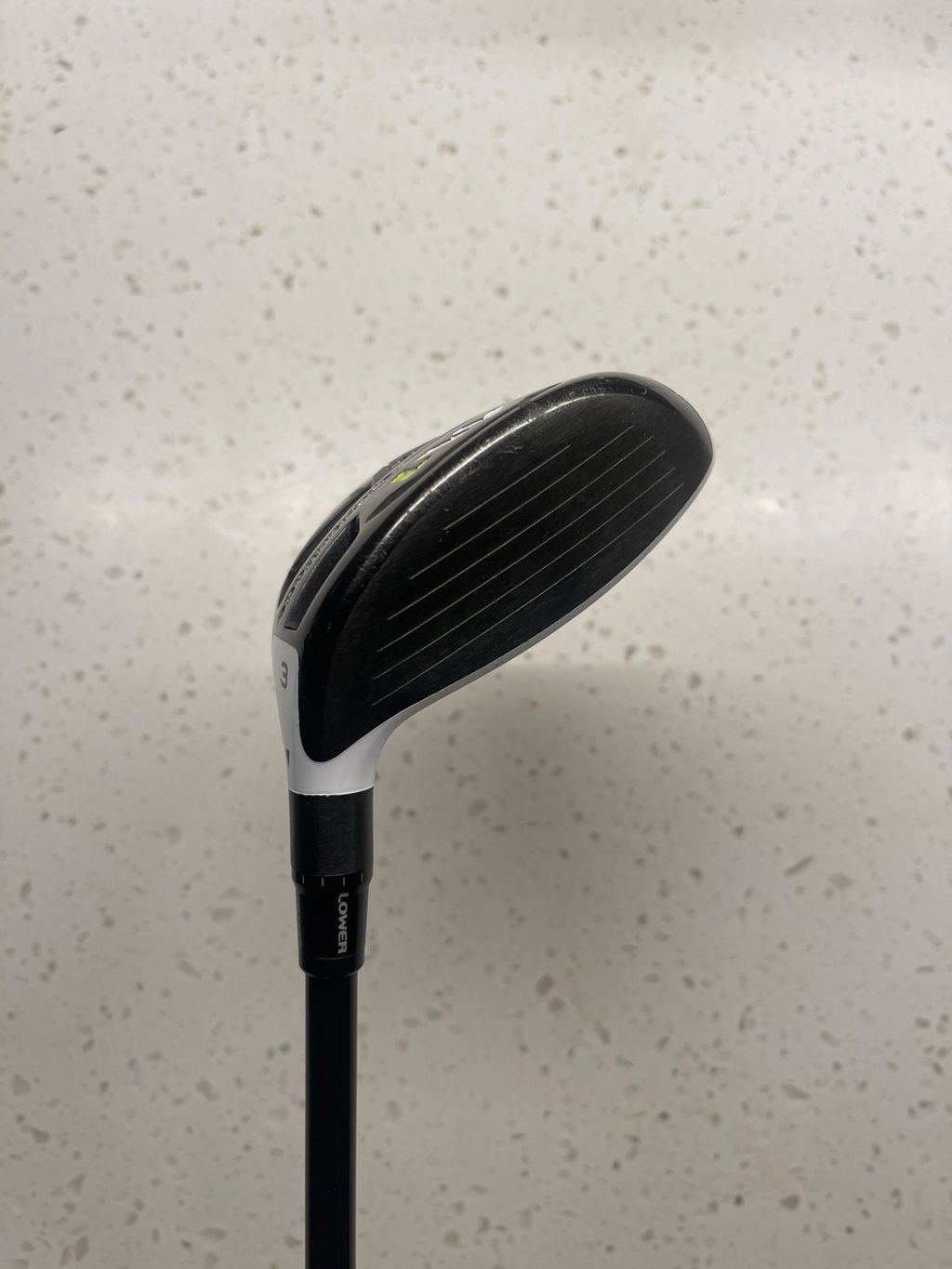
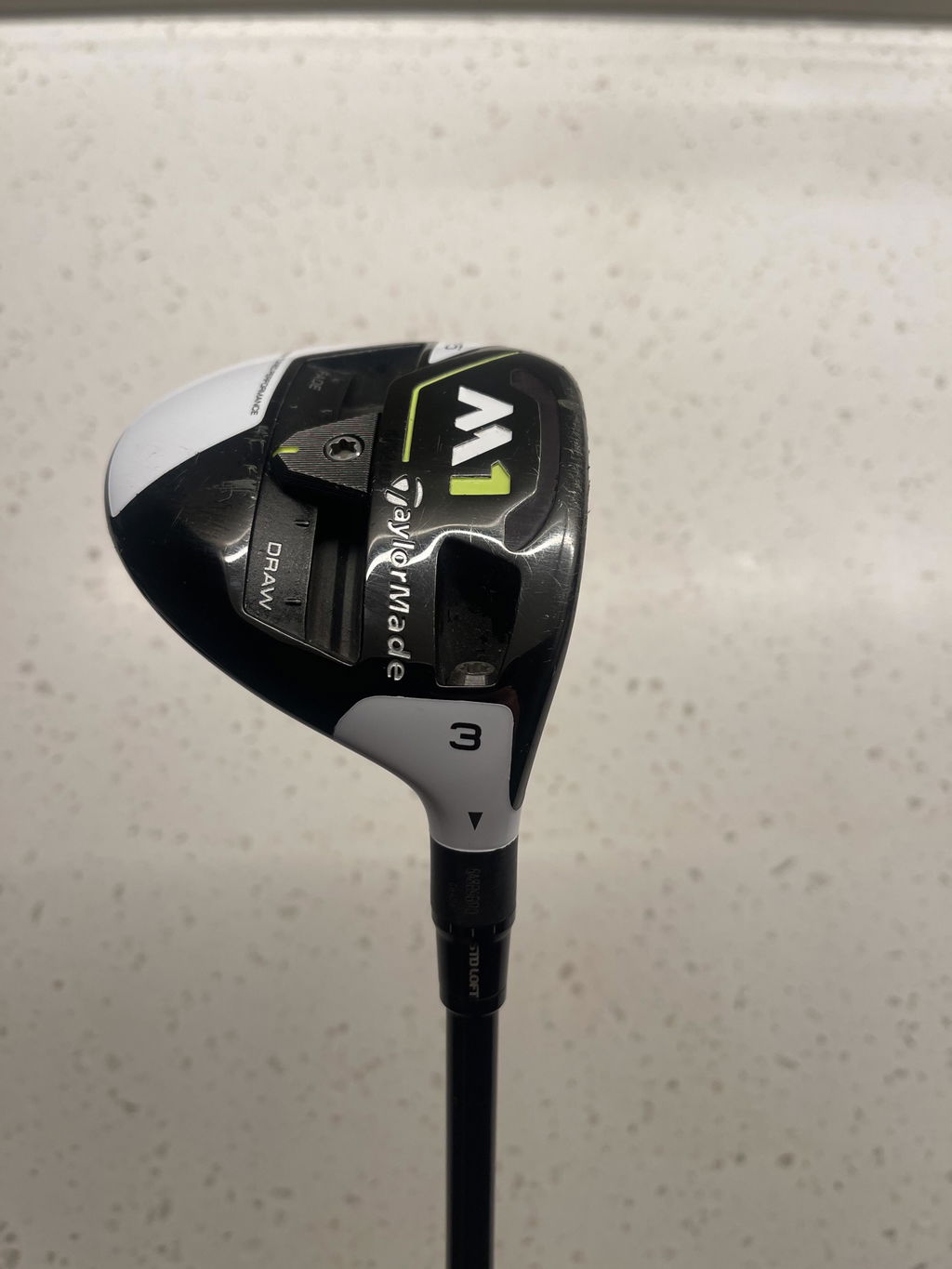
Start with the photos, then check specs, headcovers, shaft details, and any mention of replacements or repairs. If a listing says the club is mint but the images only show one angle, compare that language against what is actually visible. Missing photos, vague descriptions, or cropped shots increase risk because they leave out the areas that matter most: the face, sole, grip, and shaft. That matters whether the item is a driver, putter, or used golf club sold as an upgrade piece.
Best Places to Browse Pre-Owned Golf Clubs
Australian buyers usually compare three main sources: retailer inventory, clearance sections, and marketplace-style listings. Retailer pages often move faster on quality checks, while clearance and ex-demo pages can deliver sharper pricing on brand new and ex demo golf gear. Marketplace ads may offer more variety, but they also demand more caution because condition descriptions are less consistent. Fast shipping Australia-wide, local stock, and real photos can make the difference between a bargain and a hassle, especially when the goal is to compare and buy quickly.
Retailers with checked inventory
Retailers that inspect stock before listing reduce uncertainty for buyers who care about condition. Clear grading, warranty support, and easy returns give extra confidence when the club is meant to arrive ready for immediate use. These pages also tend to show tighter brand selection and fresher stock, which helps if the search is for a specific driver, fairway wood, hybrid, or putter. For shoppers who want second hand golf clubs without a long back-and-forth, checked inventory is often the cleaner path.
Clearance and ex-demo options
Ex-demo clubs can be strong value because they’ve often seen limited, controlled use rather than full seasonal wear. Clearance pages make it easy to spot discounted upgrades fast, especially if the goal is a right hand option in stiff or regular flex. Demo use may still count as mint or near-mint condition when the face, sole, and grip remain barely marked. The trade-off is simple: the price can be excellent, but the buyer still needs to verify exact condition and included accessories.
What to Check Before You Buy
The most useful checks are also the quickest: wear, authenticity, and what comes in the box. A low price can lose its edge once postage, missing headcovers, or return fees are added. Compare listings carefully if the club needs to be ready for the course straight away, especially for golfers replacing a single part of the bag. For Australian buyers, total value matters more than headline price alone, and shipping distance can change the deal more than expected.
Condition, photos, and authenticity
Look closely at the face, sole, crown, grip, and shaft for wear or damage. Genuine brand markings, serial details, and original components help confirm authenticity, particularly on premium used golf clubs where counterfeits or mismatched parts can cause problems. Real photos are more trustworthy than stock images because they show the actual item, not a generic version. If the club is described as mint condition but the crown or grooves look heavily used, the listing deserves a second look.
Shipping, returns, and value
Delivery speed, postage cost, and return terms should be part of the comparison before checkout. A slightly higher price can still be better value if it includes fast shipping Australia and New Zealand, safer returns, or better condition grading. That is especially true for golfers who want a club in hand before the weekend and do not want to gamble on vague seller promises. In practice, the best buy is often the listing that balances condition, service, and total landed cost.
Choose the Right Clubs for Your Game
The easiest way to shop pre-owned golf clubs is to match the category to the gap in the bag. Drivers, fairway woods, hybrids, irons, wedges, and putters each age differently, which affects both price and wear. Browsing targeted category pages helps narrow the field fast, whether the goal is a beginner set, a single replacement, or a full golf set at a lower cost. The value of used gear depends on how much play the club has left in it, not just its original retail tag.
Drivers, irons, wedges, and hybrids
Drivers, fairway woods, and hybrids are often the easiest used purchases because performance loss is usually modest when the club is in good shape. Irons and wedges tend to show wear sooner, especially in the grooves and sole, so condition matters more there. That is why pre-owned sets can deliver the biggest savings across the full bag, while still leaving room for playable quality. For buyers comparing golf clubs on a budget, the best deals often sit in stable, forgiving designs that have been lightly used.
How to decide fast
Start with one gap in the bag, then browse targeted listings until a clear match appears. Mint condition matters most for premium clubs, heavy-use categories, and anything that needs to last through plenty of rounds. If the photos are honest, the grading makes sense, and the price fits the condition, the decision usually becomes straightforward. For Australian shoppers scanning inventory rather than chasing specs, the simplest move is to compare what is available now and buy when the condition, value, and shipping line up.
Browse Inventory with Confidence
Used, clearance, ex-demo, and pre-owned golf clubs can all offer strong value if the listing tells the truth. The best results usually come from combining clear photos, realistic grading, and a quick comparison of shipping and returns. For golfers looking for golf clarance is the home of used clubs in australia,mint condition, the winning approach is simple: inspect the condition, compare the total cost, and choose the club that looks ready for the fairways.