

Used Golf Clubs: 7 Smart Tips to Buy Better Value
Buying ex demo clubs can feel like a clever shortcut or a risky compromise, depending on what the clubs have lived through. For golfers comparing used golf clubs with new golf equipment, the real question is less about labels and more about condition, value, and fit. A well-chosen second-hand set can open the door to premium brands, better forgiveness, and serious savings without losing much performance. The key is knowing what to inspect, what to ignore, and when the deal is genuinely worth it.
What Used Golf Clubs Are and Why They Matter
Used golf clubs are pre-owned clubs sold after some level of play, while ex demo clubs usually come from a shop or fitting centre ex-demo range and have seen limited testing rather than full rounds. Compared with brand new golf equipment, both options can cost far less, yet still offer modern materials, familiar profiles, and access to premium brands that might otherwise sit outside the budget.
Are Used Golf Clubs Worth Buying?
Value, Performance, and Risk
For many golfers, the value is obvious: lower prices, less depreciation, and a better chance of stepping into higher-end models. The trade-off is wear, older technology, and weaker warranty cover than new clubs. Beginners, budget-conscious players, and golfers upgrading one club at a time usually benefit most. Buying used golf clubs makes the most sense when the savings are meaningful and the condition still supports the way you play.
How to Inspect Used Golf Clubs Before You Buy
Check the Clubhead, Shaft, and Grip
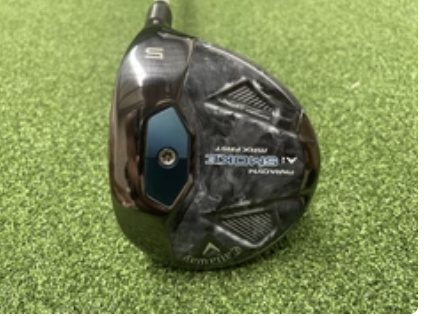
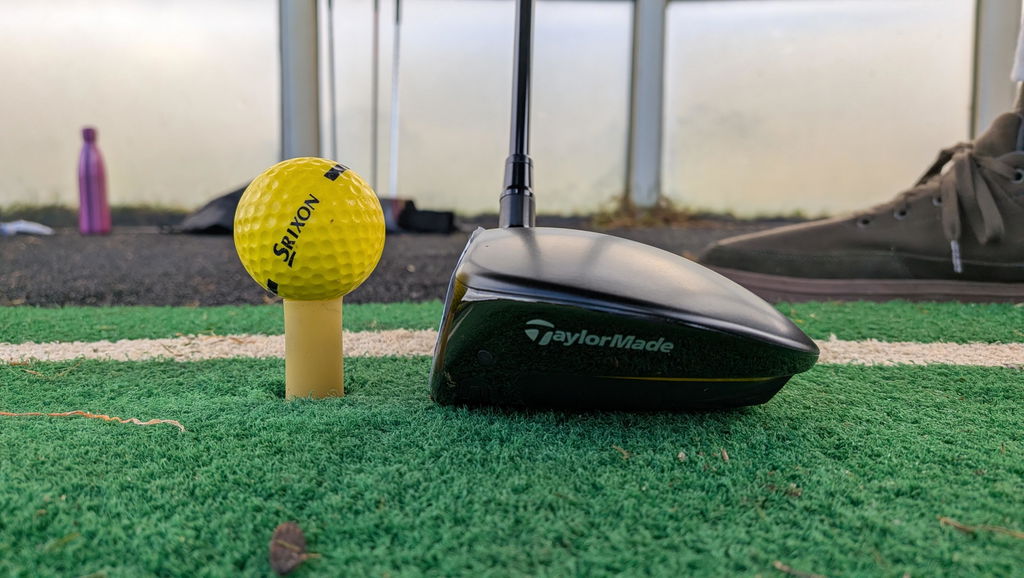
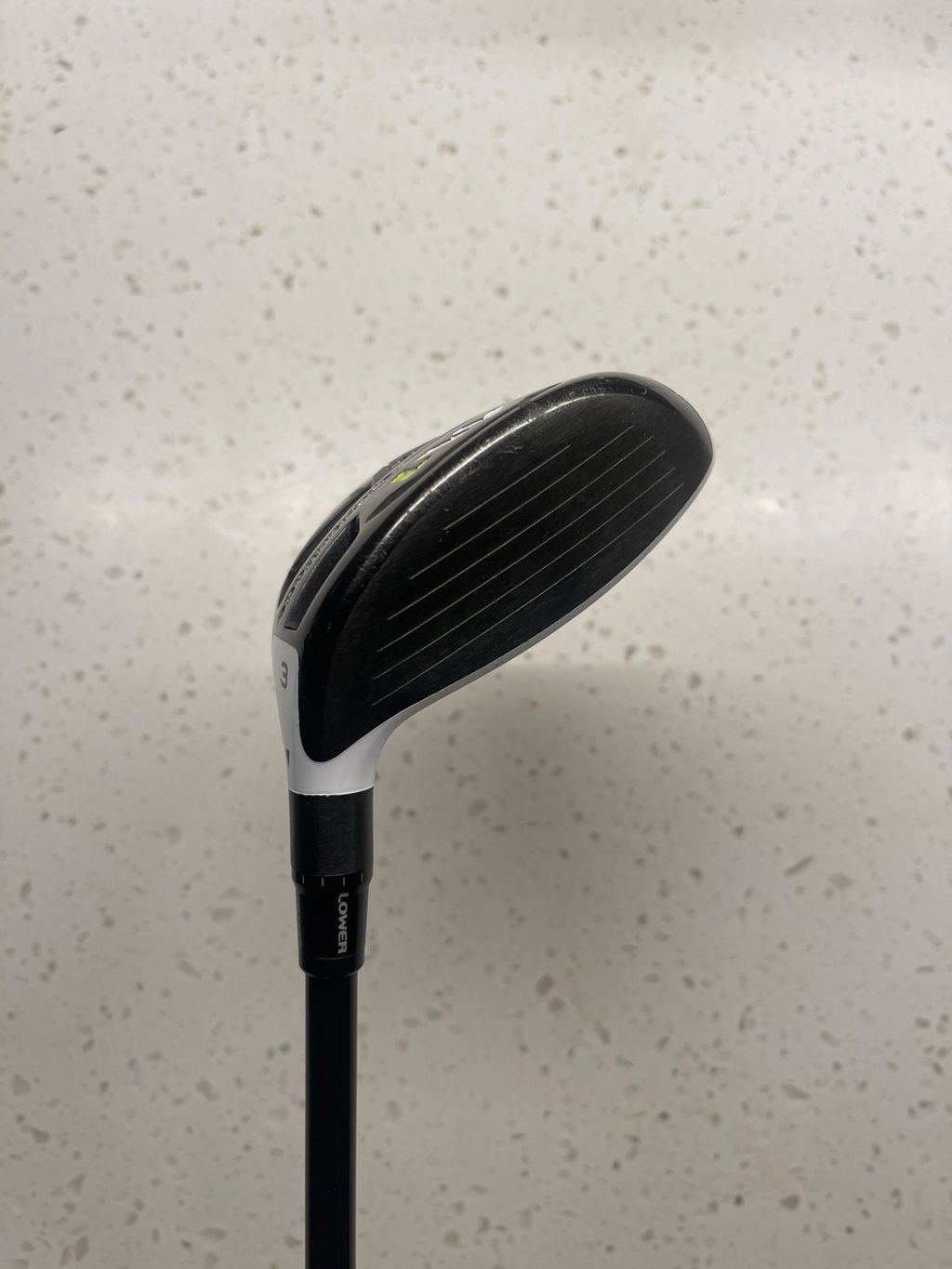
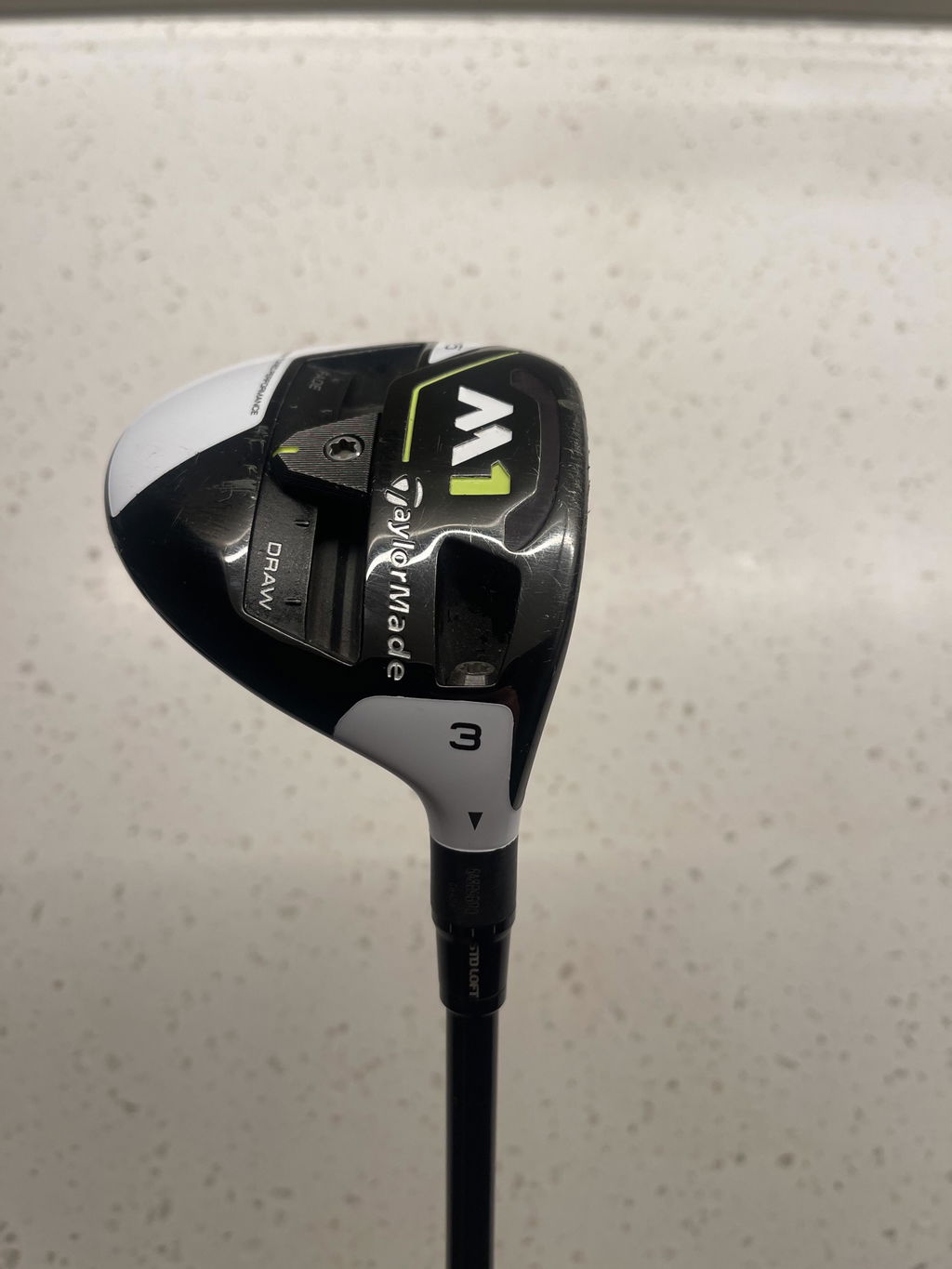
Look closely for face wear, rust, dents, loose ferrules, and any marks around the hosel or sole. Shaft straightness matters just as much; a tiny bend can affect ball flight, especially in drivers and fairway woods. Grips should feel secure, not slick or cracked. Loft markings and head alignment should match the listing. If the condition looks fair for the price, you are closer to a sensible buy than a bargain that needs repair.
Review Photos, Specs, and Seller Details
Photos should confirm the listed model, shaft flex, loft, and overall condition. If the images are blurry or cropped to hide wear, that is a warning sign. Check whether the seller offers a return policy, authenticity claim, or any guarantee. Vague listings that do not explain club history, custom work, or previous use make it harder to make an informed decision, especially with ex demo clubs where cosmetic wear can be easy to underestimate.
Best Types of Used Golf Clubs to Buy
Choose Clubs That Hold Value
Forgiving drivers, hybrids, and wedges are often the smartest used purchases because they hold value and can still perform well after moderate use. Irons and putters can also be excellent choices if the grooves, faces, and lie angles are still in good shape. Premium brands often age well in the secondhand golf market, especially when the design still suits modern swing speeds and launch needs.
Where to Find Quality Used Golf Clubs
Shop Trusted Sources
Specialist retailers, reputable pro shops, and verified online stores usually offer the best mix of stock, checks, and buyer protection. Some sellers inspect clubs, clean them, and clearly grade condition before listing. That matters because trustworthy sources reduce the risk of hidden damage, fake products, or poor fits. If the seller can explain the club’s history and condition plainly, the odds of a good purchase rise fast.
| Source | Why it helps | Watch for |
|---|---|---|
| Specialist retailer | Checked stock and clearer grading | Higher prices than private sale |
| Pro shop | Trusted advice and local support | Limited range |
| Verified online store | More choice and comparison options | Shipping and return terms |
Final Checks to Make a Confident Purchase
Match the Club to Your Game
Before paying, confirm the club suits your swing speed, skill level, and playing goals. Check shipping costs, return terms, and any warranty details so the final price still makes sense. A well-matched used golf club can save money, perform strongly, and feel like a smart upgrade rather than a compromise.